

Guangzhou Jovia Environmental Technology Co., Ltd.

Epoxy Coated Steel Tanks vs Glass Fused Steel Tanks

Table of Content [Hide]

    When it comes to industrial liquid storage, selecting the proper tank type can have a profound impact on performance, lifecycle costs, and maintenance requirements. Two common options are epoxy coated steel tanks and glass-fused steel tanks. Each has distinct advantages and potential drawbacks, meaning the best choice depends on your specific application, budget, and long-term expectations. In this article, we’ll compare these two technologies from multiple angles — materials, performance, durability, cost, and best use cases — so you can make a more informed decision.


    What Are Epoxy-Coated Steel Tanks?

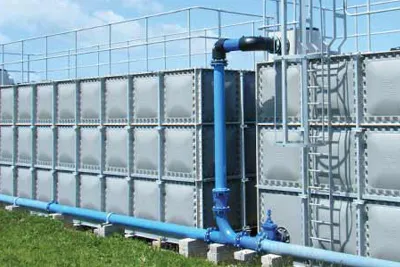
    Epoxy-coated steel tanks are constructed from steel panels whose surfaces are protected by a fusion-bonded epoxy coating. The epoxy resin is applied (often by electrostatic spraying) and then cured on the steel surface, creating a protective barrier against corrosion and contamination. The coating can be finished with a topcoat — such as urethane — for improved UV resistance and aesthetics.


    Key Characteristics of Epoxy Tanks

    • Cost Advantage: One of the biggest benefits of epoxy-coated steel tank is their relatively low upfront cost compared to higher-end alternatives. This makes them attractive for projects with tight initial budgets.

    • Versatility: Epoxy coatings provide solid corrosion protection in a broad range of standard industrial environments, including potable water, wastewater, and some chemical storage applications.

    • Maintenance Needs: Over time, the epoxy layer can wear, chip, or delaminate, especially if scratched or exposed to extreme conditions. This often necessitates periodic inspection, repair, or recoating.

    • Lifespan: Typical service life for epoxy tanks ranges from 10–20 years, though encountering shorter lifespans is not uncommon in harsh environments.


    What Are Glass Fused Steel Tanks?

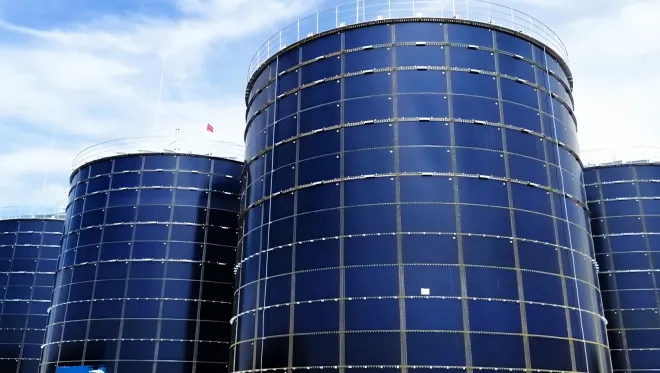
    Glass fused steel tanks represent a more advanced coating technology. In these tanks, a layer of specially formulated glass enamel is fused to the steel surface at extremely high temperatures (often above 1500°F or 820–930°C depending on the process). The result is a tightly bonded, nonporous, and highly durable composite layer that performs exceptionally well in aggressive environments.


    Glass fused steel products are commonly supplied by a glass fused to steel tank manufacturer — companies that specialize in premium storage solutions for municipal, industrial, and process applications.


    Key Characteristics of Glass Fused Steel Tanks

    • Superior Corrosion Resistance: Because the glass enamel forms an almost impermeable barrier, glass fused steel tanks dramatically resist chemical attack, rust, and permeation even under aggressive conditions.

    • Extended Lifespan: These tanks often exceed 30 years of service life due to their structural and protective integrity.

    • Low Maintenance: Unlike epoxy systems, the enamel coating doesn’t require repainting or frequent upkeep, saving both time and money over the long term.

    • Versatility Under Extremes: Glass fused coatings withstand a broader temperature range and more severe chemical environments than typical epoxy coatings.


    Epoxy-Coated Steel Tanks vs Glass Fused Steel Tanks: Comparison Table

    Comparison FactorEpoxy-Coated Steel Tanks (Epoxy Tanks)Glass Fused Steel Tanks
    Coating TechnologyFusion-bonded epoxy coating applied to steel surfaceGlass enamel fused to steel at high temperature (≈800–930°C)
    Corrosion ResistanceGood in mild to moderate environmentsExcellent, even in highly corrosive and aggressive environments
    Coating Bond StrengthMechanical bond; may peel or chip over timeChemical and physical fusion; extremely strong and stable
    Service LifeTypically 10–20 years depending on environmentOften 30+ years with minimal performance degradation
    Maintenance RequirementsRequires periodic inspection, touch-ups, or recoatingMinimal maintenance; no repainting required
    Chemical ResistanceLimited resistance to strong acids, alkalis, and solventsHigh resistance to acids, alkalis, salts, and industrial wastewater
    Temperature ToleranceModerate temperature rangeWide temperature range; performs well under thermal stress
    Abrasion ResistanceModerate; coating can be damaged by impact or abrasionHigh; glass enamel surface is hard and wear-resistant
    Initial CostLower upfront investmentHigher initial cost
    Lifecycle CostHigher over time due to maintenance and recoatingLower long-term cost due to durability and longevity
    Aesthetic DurabilityColor may fade or degrade over timeLong-lasting glossy finish; color remains stable
    Typical ApplicationsPotable water, short-term storage, low-corrosion environmentsWastewater, industrial liquids, biogas, harsh chemical storage
    Ideal Buyer ProfileBudget-sensitive projects with shorter design lifeProjects prioritizing long-term performance and reliability
    Supplier ConsiderationGeneral tank fabricatorsSpecialized glass fused to steel tank manufacturers


    Best Applications for Each Tank Type

    When to Choose Epoxy Coated Steel Tanks

    • Projects with limited upfront budgets

    • Short-term or temporary storage needs

    • Moderate environments without severe chemical exposure

    • Smaller tank capacities where cost efficiency is key


    When to Choose Glass Fused Steel Tanks

    • Long-term industrial liquid storage

    • Harsh chemical, wastewater, or bio-solids environments

    • When minimizing maintenance and lifecycle costs is a priority

    • Applications requiring superior durability and corrosion resistance


    Additionally, partnering with a reputable glass fused to steel tank manufacturer ensures adherence to strict quality standards and access to customization options like modular assembly, color variety, and engineered solutions for specialized needs.


    Conclusion

    Selecting between epoxy coated steel tanks and glass fused steel tanks boils down to balancing cost, durability, and performance. Epoxy tanks remain a practical choice for budget-conscious or moderate-duty applications. However, for long-term reliability, minimal maintenance, and superior corrosion resistance — especially in demanding environments — glass fused steel tanks consistently outperform their epoxy-coated counterparts.


    Whether you’re storing potable water, wastewater, industrial chemicals, or other liquids, understanding these material and performance differences helps ensure you choose the best tank solution for your operational goals.


    TY_TF3
    We use cookies to offer you a better browsing experience, analyze site traffic and personalize content. Part of the tracking is necessary to ensure SEO effectiveness,
    By using this site, you agree to our use of cookies. Visit our cookie policy to learn more.

    Reject Accept